
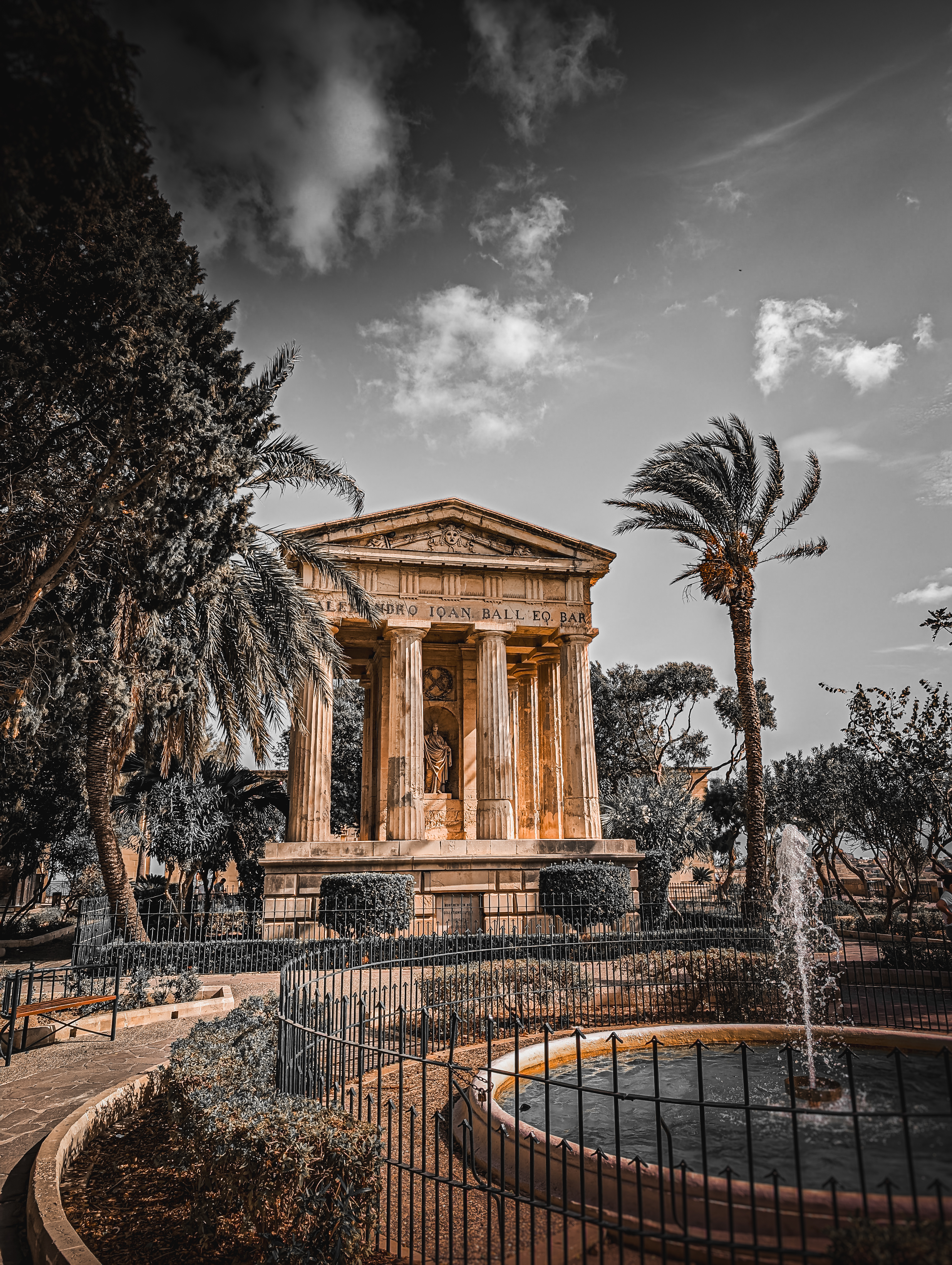
Navigating the steep streets of Malta can quickly drain your limited port time. This efficient Valletta travel guide delivers the exact route you need to bypass the cruise crowds, capture cinematic shots, and experience iconic dining on the steps before your ship departs.
The Director’s Brief: Valletta
Location: Valletta, Malta
Primary Objective: Maximize an 8-hour cruise port day, capture cinematic street photography, and execute a flawless “dining on the steps” experience.
Time Allocation: 8 Hours (Port Day)
The Reality Check
Valletta doesn’t just look like a movie set; it feels like you’ve stepped back in time into a sprawling, sun-drenched fortress.
Expectation
A leisurely stroll through a picturesque, quiet Mediterranean harbor town.
Reality
A towering limestone grid with brutal elevation changes and thousands of simultaneous cruise passengers bottlenecking the main gates. Walking these historic streets will instantly make you want to explore every hidden alley, but navigating the crowds and the inclines efficiently requires a solid tactical plan.

Background Intel: Verified History
Before executing the mission, understand the terrain. Here is the historical context that makes the architecture of this fortress city so unique.
The Foundation
Valletta was officially founded in 1566 by the Knights Hospitaller following their victory in the Great Siege of Malta, designed from the ground up to be an impenetrable fortress.
Dense History
The city is recognized as a UNESCO World Heritage site due to its incredibly dense concentration of historical monuments—boasting over 300 monuments within just over half a square kilometer.
Strategic Design
The city was built on a strict grid system on the Mount Sceberras peninsula. The narrow, straight streets were specifically designed to allow the cool sea breeze to flow through the city during the brutal Mediterranean summers.
Field Notes:
The Vertical City
Valletta is built on a ridge, meaning the streets are long, straight, and incredibly steep. You don’t just walk down a street here; you descend it.
Dining on the Steps
The best dining isn’t found inside the restaurants; it is found on the stairs outside. We stopped at a cafe on one of the narrow, stepped streets where the tables were balanced precariously on the cobblestones. Sitting there with a cold drink, watching the locals navigate the steep terrain while the limestone walls towered above us, was the most relaxed moment of the entire cruise.
The Deep Dive: National Museum of Archaeology
To escape the heat, we stepped into the Auberge de Provence, a Baroque masterpiece on Republic Street. If the streets of Valletta represent the Renaissance, this museum represents “Deep Time.”
We are talking about artifacts that predate the Pyramids and Stonehenge by centuries. The star of the show is the “Sleeping Lady,” a tiny clay figurine found at the Hypogeum that dates back to 3000 BC. Seeing the delicate details of a 5,000-year-old artist up close gives you a connection to the past that a textbook never could.
Basecamp:
Where to Stay / Logistics Hub
Since this was a port stop on our European cruise, our “basecamp” was the ship itself. Here is how to handle the initial deployment.
The Hub
Celebrity Apex (Docked at the Grand Harbour)
The Location Strategy
The ship docks right at the edge of the city, which is visually stunning, but sea level means you are looking straight up at massive bastion walls.
Operational Notes
Skip the grueling uphill hike from the terminal into the city center. The Barrakka Lift shoots you straight up the fortress walls into the Upper Barrakka Gardens for a couple of euros. Beating the crowd to this lift is critical. Hustle past the initial souvenir stalls at the port and make the lift your absolute first waypoint.

The Route:
Getting Around
Transfer/Arrival: We walked directly from the gangway to the Barrakka Lift to bypass the incline.
Daily Navigation: 100% on foot. The city is laid out in a grid, making it highly navigable, but the physical elevation changes on the cross-streets are intense. Many streets are literally just massive stone staircases. Comfortable, high-mileage shoes are non-negotiable here.
The Table:
Dining & Reservations
We didn’t want a three-hour sit-down meal eating into our limited port time, but we wanted the classic Valletta atmosphere.
Cafés on the Steps
Many of the side streets descending toward the water are so steep they are entirely staircases, lined with café tables precariously balanced on the inclines. We scouted our target café while shooting photos earlier in the morning and hit the steps right as the late-lunch rush was clearing out.
The Order
Keep it local and highly efficient. We ordered cold Cisk (the local Maltese lager) and pastizzi (flaky pastries filled with ricotta or mushy peas). It’s the ultimate high-efficiency lunch: fast, wildly atmospheric, and photogenic enough to get you back on the move quickly.
The Shot List: 4 Essential Frames
Valletta is a texture-paradise. The uniformity of the stone makes the colorful details pop.
The Gallarija (The Balconies)
The enclosed wooden balconies that hang off almost every building are the city’s visual signature. Originally built so the ladies of the house could watch the street without being seen, they now offer a splash of color against the yellow limestone. Look for a row of them in different colors—red, green, blue—to create a striking pattern.

The Doors of Malta
The city is famous for its oversized, ornate doors featuring massive brass knockers, often shaped like dolphins or lions. Get a tight, straight-on shot here. The weathering on the wood combined with the shine of the brass creates incredible texture.

The Assassin’s Perspective
Find a spot at the top of one of the steep streets and shoot straight down. This is the shot that screams “fortress.” It captures the scale of the walls, the slope of the stairs, and the slice of blue Mediterranean Sea waiting at the bottom.

The Macro Detail (The Sleeping Lady)
Inside the museum, try to get a shot of the Sleeping Lady figurine. It is small and behind glass, so get your lens right up against the case to cut reflections (or use the Pixel 10’s reflection removal tool). Focus on the texture of the clay to highlight its age.

Curated Agenda:
Skip Vs. Splurge
✅ THE SPLURGES (Do This)
The Parallel Alleys: To get that truly cinematic, timeless vibe, avoid the center and flank left or right into the side streets like Strait Street. The crowds immediately thin out, the shadows get deeper, and the centuries-old architecture looks incredible.
Upper Barrakka Gardens: Do this first thing after taking the lift. The panoramic views of the Grand Harbour and the Saluting Battery are the best in the city.
❌ THE SKIPS (Avoid This)
Republic Street at Midday: This is the main artery of Valletta. It is a gridlock of foot traffic and mass-produced souvenir shops. Use it to quickly get your bearings, but avoid navigating through it during peak daylight hours if you are on a tight schedule.

The Resource Locker:
Key Links & Intel
The History: Visit Malta (Official Site)
The Map: Tritons’ Fountain
The After-Action Report
Valletta is a city of layers. You have the military grit of the fortress walls, the elegance of the baroque architecture, and the relaxed Mediterranean energy of the outdoor cafes.
It is rare to find a place that feels like a movie set but operates like a living, breathing city. If you love texture, history, or just pretending you are an assassin jumping from rooftops, Valletta is the playground you didn’t know you needed.
Join The Debrief
What is your strategy when dealing with massive elevation changes in historical cities? Let me know in the comments below.
Gallery


Leave a Reply